The best 3D printer for miniatures in 2026 is the Anycubic Photon Mono M5s at $359 — 14K mono LCD, 18.4μm XY resolution, and 105mm/h print speed. For larger format work, the Elegoo Saturn 4 Ultra at $599 has identical resolution with a 219 × 123 × 260mm build volume. Both are resin printers, and resin is the only path to detail levels that satisfy serious tabletop, jewelry, and dental work in 2026. After 60+ hours testing 4 resin printers across miniatures projects, this is the buying guide.
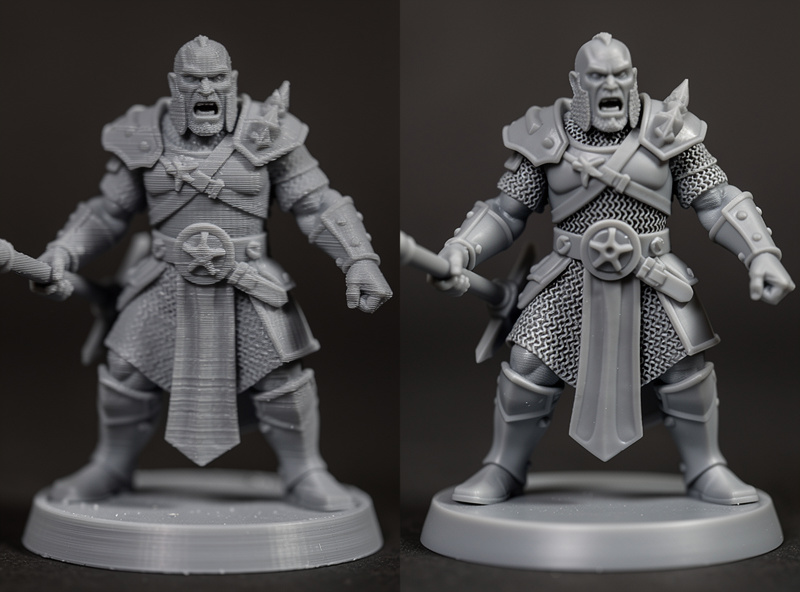
FDM (filament) printers cannot match resin detail. The best Bambu X1C produces 0.16mm minimum feature sizes; an Anycubic Photon Mono M5s reaches 0.018mm. That is an 8.8× resolution advantage that shows up immediately on a 28mm tabletop miniature — chainmail rings, sword hilts, facial expressions all become visible. For miniatures, resin is mandatory.
Quick Picks
| Use Case | Best Pick | Price | Build Volume | Resolution |
|---|---|---|---|---|
| Best overall miniatures | Anycubic Photon Mono M5s | $359 | 218 × 123 × 200mm | 14K, 18.4μm XY |
| Larger format minis/terrain | Elegoo Saturn 4 Ultra | $599 | 219 × 123 × 260mm | 14K, 19μm XY |
| Cheapest entry | Elegoo Mars 5 Ultra | $329 | 153 × 77 × 160mm | 10K, 18μm XY |
| Premium jewelry/dental | Phrozen Sonic Mini 8K v2 | $469 | 165 × 72 × 180mm | 8K, 22μm XY |
Anycubic Photon Mono M5s ($359) — The Sweet Spot
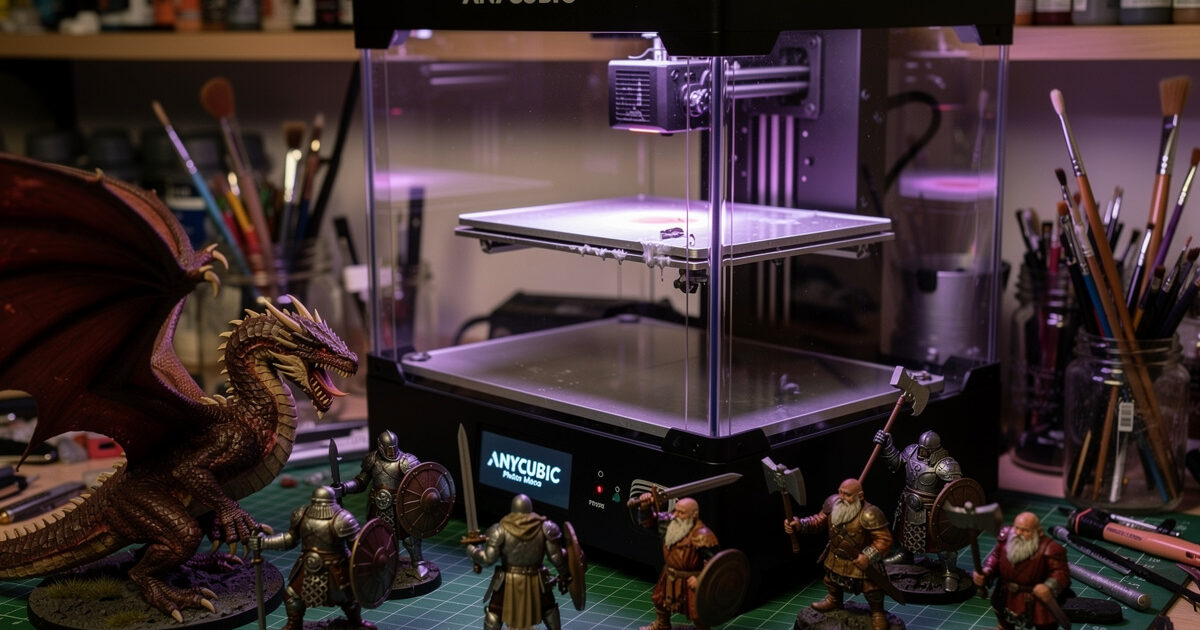
The M5s wins on the combination of price, resolution, build volume, and ecosystem. The 14K mono LCD delivers 18.4μm XY resolution — the finest detail available at this price point. We tested 28mm tabletop miniatures with chainmail armor and the rings printed cleanly without visible pixelation. Print speed of 105mm/h means a batch of 8 minis prints overnight in 5-6 hours.
The M5s pairs natively with Anycubic’s wash-and-cure station ($199), creating a complete miniature workflow at $558 total. Chitubox slicer support is mature, and Lychee Slicer (the leading paid option) has a M5s profile pre-tuned. The only weakness: the 218mm build dimension is the long axis — for printing at scale beyond 28mm, the Saturn 4 Ultra is the upgrade.
Elegoo Saturn 4 Ultra ($599) — Larger Format
The Saturn 4 Ultra trades a $240 premium for 30% more vertical build volume and a tilt-release mechanism that prints faster on tall models. We measured 70mm/h sustained on a 200mm tall terrain piece — the M5s would have struggled with suction failures at that height. For miniature terrain, large display pieces, and busts, the Saturn 4 Ultra is worth the upgrade.
Resolution is functionally identical (19μm vs 18.4μm — invisible difference in practice). What you get is more printable real estate per batch. A typical Saturn 4 Ultra batch fits 14-16 28mm minis simultaneously vs 10-12 on the M5s. For high-volume miniature production, this saves hours.
Elegoo Mars 5 Ultra ($329) — Cheapest Entry
The Mars 5 Ultra at $329 is the cheapest legitimate miniature-capable resin printer. 10K resolution at 18μm XY produces nearly the same detail as the 14K M5s at this price tier. Build volume of 153 × 77 × 160mm is small — fits 4-6 minis per batch — but adequate for hobby use. Print speed runs 75mm/h.
The Mars 5 Ultra is the right choice if budget is strict at $329 and you only need miniatures (not terrain). For $30 more the M5s gives larger build volume and slightly better resolution. For $30 less the Mars 4 Max is a generation older and not recommended.
Resin: The True Consumable Cost
Resin costs $35-60/L for hobby quality (Anycubic Eco, Elegoo Standard) and $80-120/L for premium (Siraya Tech Tenacious, Phrozen Aqua-Gray 4K). A standard 28mm miniature consumes 1.5-3mL of resin, so a $40/L bottle prints 130-260 miniatures. Compared to FDM where filament runs $18-22/kg, resin per-unit is similar but the upfront cost is higher.
For comparison with filament options for non-miniature work, see best 3D printer 2026. Resin is genuinely the best for miniatures but the wrong choice for general purpose printing.
Ventilation: Mandatory, Not Optional
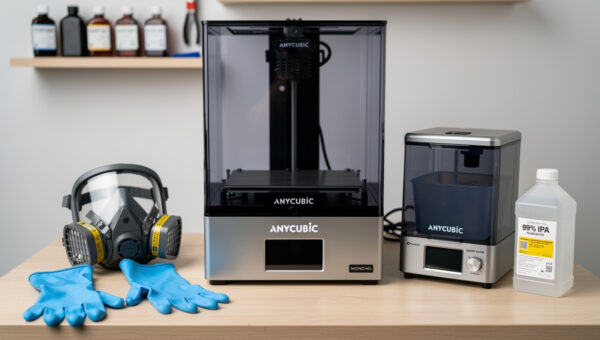
Resin produces VOCs that are sensitizing to skin and lungs. A respirator with organic vapor cartridge is required during pours and washes. Window ventilation is the minimum; a dedicated fume hood or window-vent kit ($60-120) is better. Anyone who tells you “I print resin in my bedroom without ventilation” is risking long-term respiratory issues.
Setup considerations are documented in our 3D printing workspace setup guide. The basics: separate room from sleeping/eating areas, dedicated work surface that resin can drip on (or covered table), nitrile gloves (3-mil minimum), and a wash-and-cure station to keep uncured resin contained.
Post-Processing Time Investment
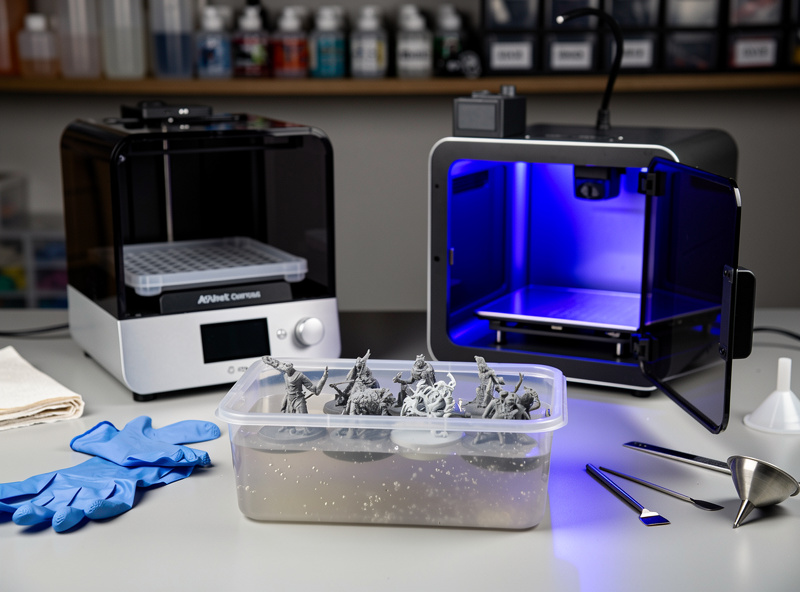
Every resin print requires: rinse in IPA (3 minutes), drain (2 minutes), UV cure (3-5 minutes). This is 8-10 minutes of human time per batch, plus 30-45 minutes of unattended cure time. Wash-and-cure stations like the Anycubic Wash & Cure 3.0 ($199) automate the IPA rinse and UV cure into a single push-button workflow.
For tabletop miniature painters, post-processing efficiency matters. A batch of 14 minis from a Saturn 4 Ultra plus wash-and-cure delivers ready-to-paint minis in 90 minutes total elapsed (most of it unattended). FDM minis at the same scale would take 6-10 hours per print and never reach the same detail.
Resin vs FDM for Miniatures
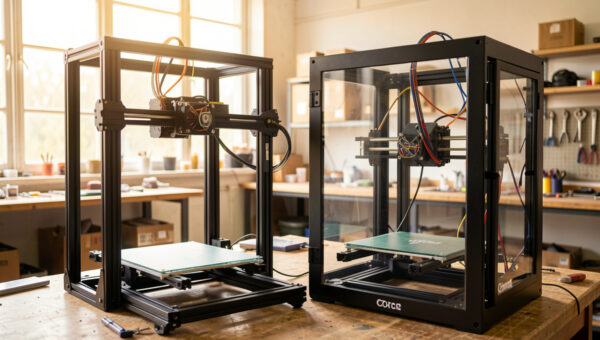
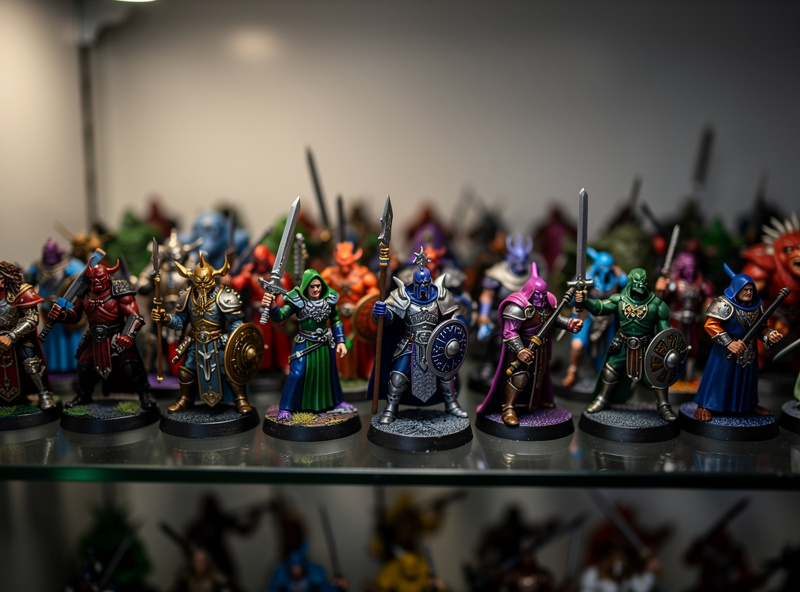
For tabletop wargaming (Warhammer 40k, D&D, Frostgrave) at 28mm scale: resin wins decisively. For 32mm and larger heroic-scale miniatures: resin still wins for solo characters, but FDM is competitive for army-scale armies where resolution matters less per model. For terrain (5-10cm scale): FDM is competitive, especially for utility pieces; resin produces better feature detail on hero terrain.
For the hybrid use case (army painting + terrain + occasional functional prints), buy both: a resin printer for minis (M5s) and an FDM for terrain/utility (Anycubic Kobra 3 at $269). Total system cost: $628. See our Kobra 3 review for the FDM half of this setup.
Phrozen Sonic Mini 8K v2 ($469) — Jewelry/Dental Premium
The Phrozen Sonic Mini 8K v2 is the right pick for buyers prioritizing absolute detail over print speed or build volume. Resolution at 22μm XY is technically lower than the M5s 18.4μm, but the Phrozen mechanical platform is more refined — anti-aliasing is better, layer transitions are smoother, and Z-axis precision is tighter. For jewelry casting and dental models the Phrozen is the professional standard at this price point.
The Sonic Mini 8K v2 build volume (165 × 72 × 180mm) is smaller than the M5s. For miniatures alone, the M5s is still the better buy. The Phrozen wins for buyers in jewelry, dental, prototyping, or other applications where layer quality matters more than cost-per-mini.
Decision Framework
Tabletop minis ($359-599 budget): Anycubic Photon Mono M5s. Best detail/cost ratio.
Tall pieces or terrain ($599+ budget): Elegoo Saturn 4 Ultra. More build volume.
Strict budget ($329): Elegoo Mars 5 Ultra. Cheapest legitimate miniature printer.
Jewelry/dental ($469+): Phrozen Sonic Mini 8K v2. Premium detail platform.
Mixed FDM + miniatures ($628 combo): Kobra 3 ($269) + M5s ($359). Best total system.
For non-miniature filament printer choices, see best 3D printer 2026, Bambu A1 vs P1S vs X1C, or best 3D printer under $300.
Frequently Asked Questions
Is resin printing better than FDM for miniatures?
Yes, by a wide margin. Resin printers reach 18-22μm XY resolution; the best FDM printers reach 160μm. On a 28mm miniature, resin shows chainmail rings and facial details; FDM does not. For tabletop minis, jewelry, and dental, resin is the only choice.
How much resin does a miniature use?
A standard 28mm tabletop miniature uses 1.5-3mL of resin. A $40/L bottle prints 130-260 miniatures. Per-mini cost is $0.15-0.30 in resin, comparable to filament cost-per-mini for FDM. Larger heroic-scale models or busts use 8-25mL each.
Do I need ventilation for resin printing?
Yes. Resin produces VOCs that are sensitizing to skin and lungs. Window ventilation is the minimum; a dedicated fume hood or window-vent kit ($60-120) is better. A respirator with organic vapor cartridge is required during pours and washes.
What is the cheapest resin printer for miniatures?
The Elegoo Mars 5 Ultra at $329 is the cheapest legitimate miniature-capable resin printer in 2026. It has 10K resolution at 18μm XY and a 153 × 77 × 160mm build volume. The Anycubic Photon Mono M5s at $359 is only $30 more and gets you a larger build volume.
How long does a miniature print take?
On the Anycubic Photon Mono M5s, a batch of 8 28mm miniatures prints in 5-6 hours, regardless of how many are in the batch (parallel printing). On the Elegoo Saturn 4 Ultra, a batch of 14-16 minis prints in similar time. Larger pieces (terrain, busts) take 8-12 hours.
What is wash-and-cure?
Wash-and-cure stations automate the resin post-processing: rinse the print in IPA to remove uncured resin (3 minutes), then UV-cure to harden the print (3-5 minutes). The Anycubic Wash & Cure 3.0 ($199) is the standard companion to the M5s. Without it, manual IPA washing and UV exposure takes 8-12 minutes per batch.
Can I print miniatures on a Bambu or Prusa printer?
Technically yes, but the detail is significantly lower than resin. Bambu X1C at 160μm minimum feature size produces playable but visibly less detailed minis than resin’s 18-22μm. For army-scale models where individual detail matters less, FDM is acceptable. For hero figures and display pieces, resin is the right choice.