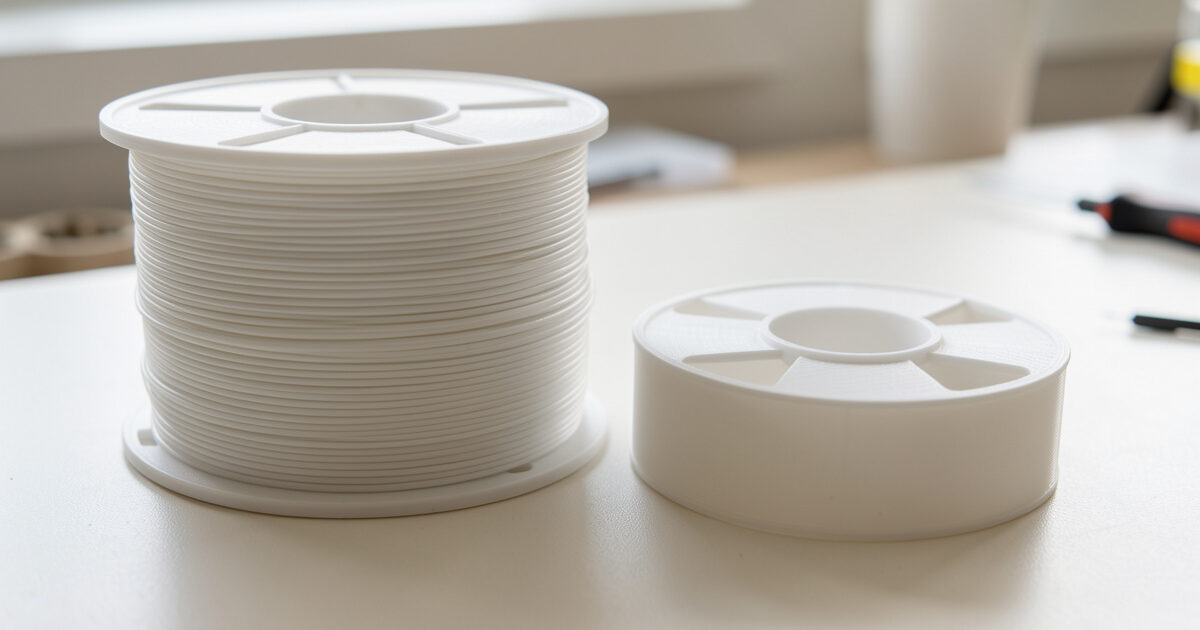
“Does PLA need to be dried?” is the filament question I get asked most, and the honest answer annoys people because it isn’t a clean yes or no. PLA is the least thirsty of the common 3D printing materials — it tolerates a lot of neglect that would wreck a print in nylon — but it’s not immune to moisture, and there’s a real point where a damp PLA spool starts dragging your print quality down. After years of printing functional parts in PLA across a stable of machines, here’s the framework I actually use: when you can ignore it, when you can’t, and how to tell the difference without guessing.
The short answer
Fresh PLA from a sealed bag usually does not need drying. Old, open, or visibly-stringing PLA sometimes does. Unlike nylon or carbon-fiber blends — which I dry every single time without exception — PLA earns the benefit of the doubt. The factory vacuum-seals it dry with a desiccant pack, and out of that bag it’ll print clean on day one. The question is only ever about what happens after the bag is open and time passes. If you want the full picture of how moisture behaves across all materials, the filament moisture guide is the parent to this article; this one is purely about PLA.
Why PLA is less thirsty than the rest
All common 3D printing polymers are hygroscopic — they absorb moisture from the air — but they do it at very different rates and they punish it to very different degrees. PLA sits at the gentle end of that spectrum. It absorbs moisture more slowly than PETG, far more slowly than TPU, and dramatically more slowly than nylon, polycarbonate, or CF blends. And critically, even when PLA does pick up some moisture, the consequences are milder: you get mild stringing and a bit of surface roughness, not the foamy, weak, practically-unprintable disaster that wet nylon becomes.
This is why I tell people to stop treating all filament with the same paranoia. The vigilance that’s genuinely warranted for nylon is wasted effort on a fresh PLA spool, and drying filament that doesn’t need it just burns time and energy — and, if you overshoot the temperature, risks softening the spool you were trying to help.
When PLA actually does need drying
PLA crosses the line from “fine” to “dry it” under specific conditions:
- It’s been open a long time in a humid environment. A spool that’s sat unsealed for months on a shelf in a humid room has had time to absorb meaningful moisture. The longer it’s open and the more humid your space, the more likely it needs a dry.
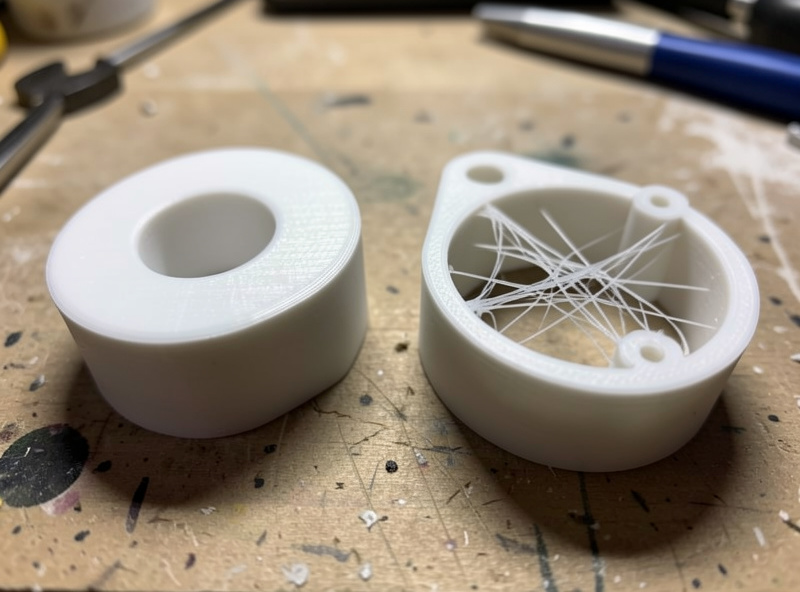
- It’s stringing or popping in a way it didn’t before. If a PLA spool that used to print clean has started laying down webs and you hear faint popping at the nozzle, that’s moisture talking. Fresh PLA at good settings shouldn’t string heavily.
- The surface finish has degraded. A PLA print that’s come out rougher or fuzzier than the same model used to, with no settings changed, points at a damp spool.
- It’s a specialty PLA. Silk PLA, matte PLA, wood-fill, and other filled or modified PLAs can be more moisture-sensitive than plain PLA, and they often show it as surface defects. Treat these closer to PETG than to vanilla PLA.
- You live somewhere genuinely humid. Ambient humidity is the whole variable here. In a dry climate, open PLA can sit for ages. In a humid one, the clock runs much faster.
How to tell without guessing
Don’t dry PLA on superstition — dry it on evidence. Three checks:
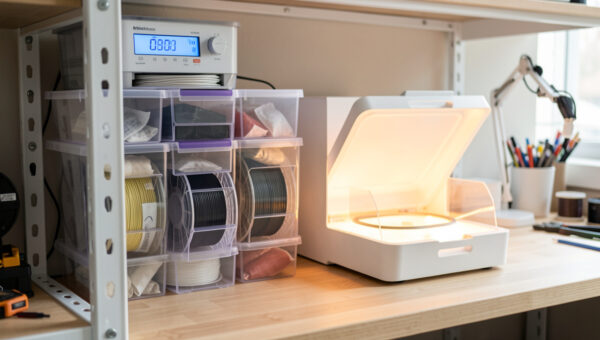
- The hygrometer. If your storage area or container has a digital hygrometer and it’s been reading high for weeks, your open PLA has been absorbing. A cheap meter in your filament storage closes this loop for a couple of dollars.
- The sound test. Run a print and listen at the nozzle. Wet filament pops, crackles, or hisses as absorbed water flashes to steam. Dry PLA is quiet. This is the single most reliable real-time test.
- The A/B print. The definitive test: print the same model from the suspect spool and from a freshly dried (or fresh-sealed) one at identical settings. If the suspect spool strings and the dry one doesn’t, you’ve proven moisture. If they look the same, it was never moisture — go look at your retraction and temperature instead.
That last point matters because PLA stringing gets blamed on moisture when it’s often just settings. Before you commit a spool to an overnight dry, make sure you’ve ruled out retraction set too low and print temperature set too high — my stringing diagnosis guide walks through separating moisture stringing from settings stringing.
Myths and half-truths about drying PLA
A few things get repeated about PLA and moisture that are worth correcting, because they send people down the wrong path:
- “You must dry every spool before every print.” This is advice borrowed from the engineering-materials crowd and misapplied to PLA. It’s true for nylon; it’s overkill for fresh PLA, and it wears out your dryer and your patience for no quality gain.
- “Wet PLA is ruined forever.” No. PLA that’s absorbed moisture dries back out fine at a gentle temperature. Unless it’s been physically damaged or annealed by bad drying, a damp PLA spool is fully recoverable.
- “Hotter drying is faster and better.” Dangerously wrong for PLA specifically. Because PLA softens at a low temperature, cranking the heat to speed things up is exactly how you fuse a spool. Drying is limited by how fast moisture can diffuse out, not by how hard you cook it. For exact safe temperatures and times by filament type — including the narrow PLA window that protects against fusing — the filament drying temperature chart is the reference to print and keep beside your dryer..
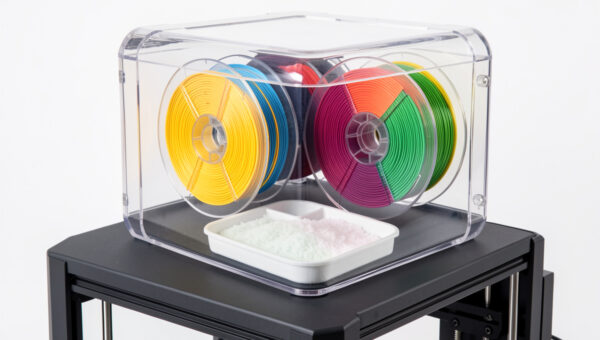
- “A desiccant box will dry my wet PLA.” A sealed desiccant container keeps dry PLA dry but pulls moisture far too slowly to meaningfully dry a damp spool. For a comparison of container options, desiccant types, and how much silica gel a typical spool tub actually needs, the best desiccant filament storage guide covers the setup in detail. Use heat to dry, desiccant to maintain.
- “Cheap PLA is wetter than premium PLA.” Not inherently — both ship dry from a sealed bag. What varies is how the spool was handled and stored after manufacture, and how long it’s been open in your shop. Storage, not price, decides moisture. If you run a Bambu printer and rely on the AMS to keep spools dry between prints, the Bambu AMS humidity management guide explains what the AMS actually does for humidity control and when desiccant needs refreshing..
If you do dry PLA, do it gently
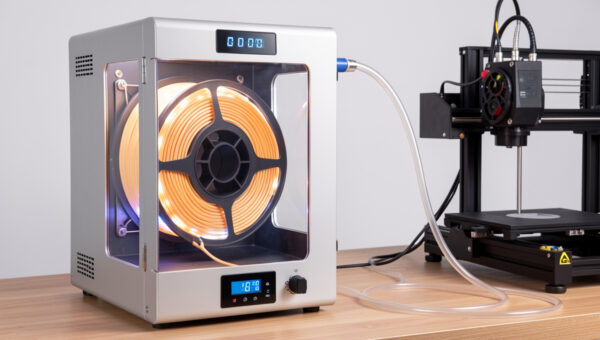
Here’s the catch that makes PLA drying its own thing: PLA has the lowest softening point of the common materials, so it’s the easiest one to ruin by drying it too hot. Push the temperature too high and the spool softens, the wraps fuse together, and you’ve turned a recoverable damp spool into scrap. PLA wants a gentle, low-temperature dry — lower than what you’d use for PETG or nylon. The exact safe temperature belongs in a per-material reference, and the cardinal rule is never guess upward. A filament dryer or modded dehydrator with real temperature control is the right tool; a hot oven you don’t trust is how spools die.
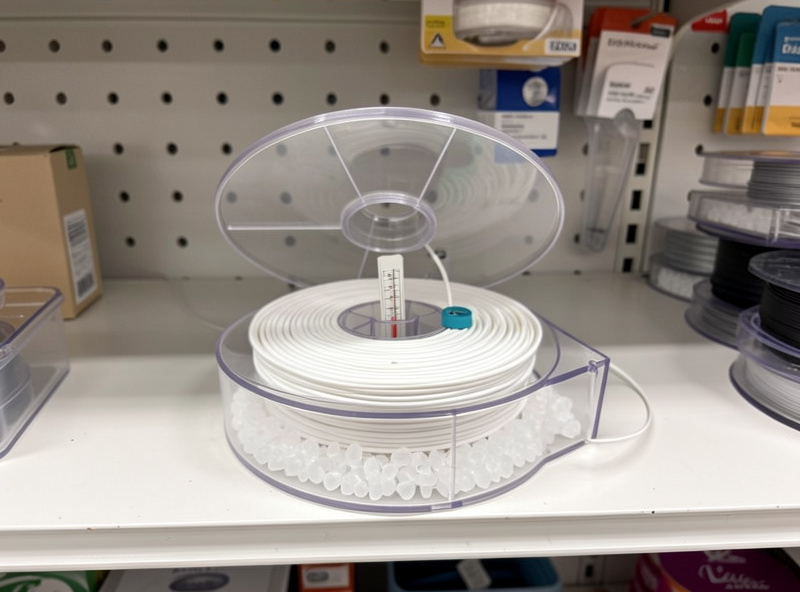
For most people the practical answer is: if your PLA needs drying often enough to bother, the better fix is storage, not repeated drying. Keep open PLA in a sealed container with desiccant packs and it simply won’t absorb enough to matter, so you’ll rarely need to dry it at all. Prevention beats the cure here more than with any other material — full setup in my filament storage humidity guide.
The bottom line on PLA and moisture
PLA is the material that lets you relax. Print fresh spools straight from the bag, store open spools sealed with desiccant, and only dry when the evidence — sound, surface, or an A/B print — actually says to. Save the religious drying discipline for the materials that demand it: nylon, PC, CF blends, and TPU. Matching your effort to the material’s actual sensitivity is the difference between a smooth workflow and a lot of wasted dryer hours.
Frequently asked questions
Does PLA need to be dried before printing?
Usually not. Fresh PLA from a sealed bag prints clean without drying because it’s the least moisture-sensitive of the common materials. You only need to dry PLA when it’s been open a long time in a humid environment, when it’s stringing or popping in a way it didn’t before, or when the surface finish has degraded. Drying fresh PLA that doesn’t need it just wastes time and energy.
How can I tell if my PLA is wet?
Listen and compare. Wet PLA pops or crackles faintly at the nozzle as absorbed water flashes to steam, and it strings more and finishes rougher than it used to at the same settings. The definitive test is to print the same model from the suspect spool and a fresh or dried spool at identical settings — if only the suspect one strings, it’s moisture.
What temperature should I dry PLA at?
PLA needs a gentle, low-temperature dry because it has the lowest softening point of the common materials and is the easiest to ruin by overheating. Use a dryer or dehydrator with real temperature control set conservatively, and never guess the temperature upward — too hot and the spool softens, the wraps fuse, and it becomes scrap. A per-material temperature reference is the safe way to pick the number.
Is wet PLA dangerous or just lower quality?
It’s a quality problem, not a safety one. Wet PLA gives you stringing, rougher surfaces, and somewhat weaker layer adhesion, but nothing hazardous. That mildness is exactly why PLA tolerates moisture so much better than nylon or carbon-fiber blends, which become practically unprintable when wet.
How should I store PLA so it doesn’t need drying?
Keep open spools in a sealed airtight container with fresh desiccant and a hygrometer to monitor humidity. PLA absorbs moisture slowly, so good storage keeps it well under the level that affects prints and means you’ll rarely need to dry it. Prevention through storage beats repeated drying, especially for PLA where overheating during drying is a real risk.