You can only legally sell a 3D print if the model’s licence permits commercial use — and three of the six core Creative Commons licences carry a non-commercial clause that forbids exactly that — and they cover a large share of the most popular files. Printing and selling someone else’s design without the right licence is not a grey area; it is copyright infringement, and adding a branded character on top stacks a trademark problem over it. The safe path is simple: sell your own designs, models with explicit commercial licences, or genuinely public-domain files.
This is the section new sellers skip and later regret, usually after a takedown or a shop suspension. I am a maker, not a lawyer, so treat this as how to read the rules rather than legal advice — for a specific situation, talk to an IP professional. But the rules are learnable, and getting them right protects everything else in the 3D printing business guide. Choose your products with this in mind using best things to 3D print and sell.
The Two Layers: Copyright and Trademark
Selling prints involves two separate legal layers, and you have to clear both. Copyright covers the model file itself — the designer owns it and decides, through a licence, whether you may sell prints of it. Trademark covers brands, logos and recognisable characters — even a model you designed yourself infringes if it depicts a trademarked character or logo. A figurine of a popular franchise character is a double problem: the file may be non-commercial and the character is trademarked, so no licence on the file alone makes it sellable.
Beginners usually think only about the first layer and walk straight into the second. “I designed this myself” is no defence if what you designed is a recognisable branded character or uses a company’s logo. The cleanest sellable products are original designs of non-branded, functional or generic items — which, conveniently, is also where the best margins live.
Reading Creative Commons Licences
Most free model sites use Creative Commons licences, and the difference between them decides whether you can sell. The key letters are NC (non-commercial) and ND (no derivatives). Any licence containing NC forbids commercial use — you cannot sell those prints, full stop. ND forbids modified versions. SA (share-alike) lets you sell but requires you to release your derivatives under the same licence. CC0 is effectively public domain, with no restrictions at all.
The practical rule I follow: if the licence has NC in it, the file is off-limits for selling, no matter how popular it is. CC-BY (attribution only) and CC0 are the friendly ones for sellers — CC-BY lets you sell as long as you credit the designer, and CC0 lets you do anything. Always read the actual licence on the model page rather than assuming, because designers sometimes add their own conditions on top, and platform defaults vary.
| Licence | Sell prints? | Conditions |
|---|---|---|
| CC0 / Public domain | Yes | None |
| CC-BY | Yes | Credit the designer |
| CC-BY-SA | Yes | Credit + share derivatives alike |
| CC-BY-NC (any NC) | No | Non-commercial only |
| CC-BY-ND | Yes (unmodified) | Credit, no modifications |
| Standard digital / paid licence | Depends | Read the specific commercial terms |
Commercial and Merchant Licences
Many designers who release non-commercial files also sell a separate commercial or merchant licence, often through Patreon tiers, Cults3D, MyMiniFactory or their own store. Paying for that licence is the legitimate way to sell prints of a model you did not design. The terms vary widely — some grant unlimited sales, others cap the number of prints, restrict marketplaces, or require attribution — so read exactly what the licence grants before you list. Keep a record of every commercial licence you buy in case you ever need to prove it.
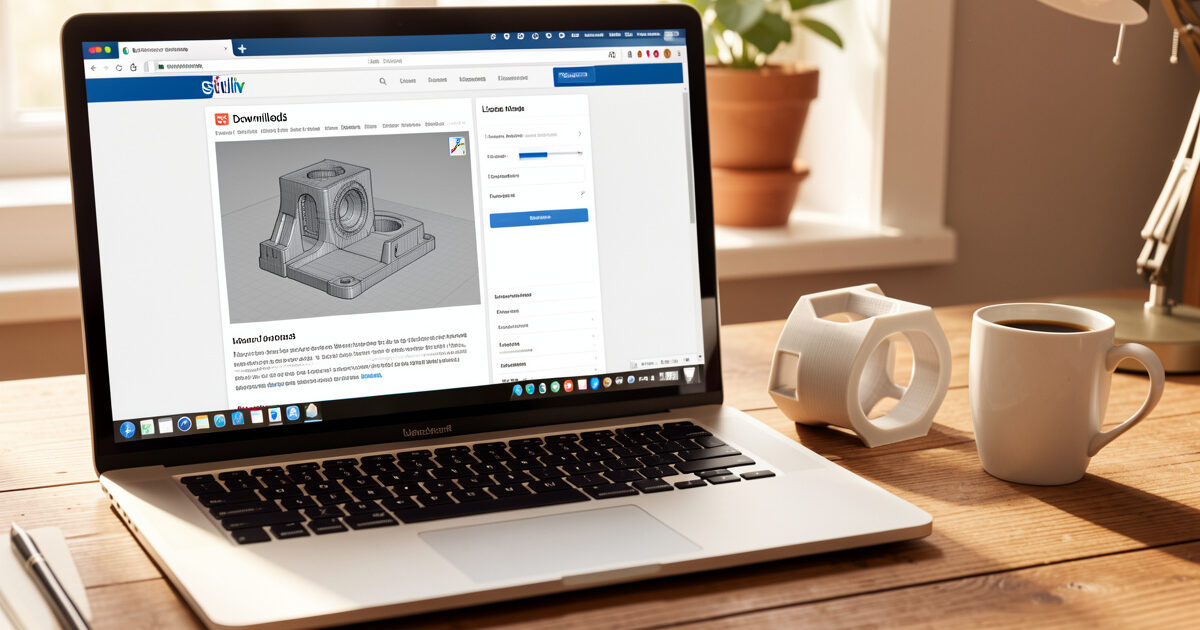
Commercial-friendly marketplaces are the easiest source of clearly sellable files, and knowing where to download print-ready models with clean terms saves hours of licence-reading. Some platforms tag models specifically as commercial-use-allowed, which removes the guesswork. Buying a designer’s commercial tier also supports the people making the files you depend on, which keeps the ecosystem healthy. If you build a product line around licensed models, factor the licence cost into your pricing — it is a real cost of goods, the same as filament.
Designing Your Own Models: The Safest Path
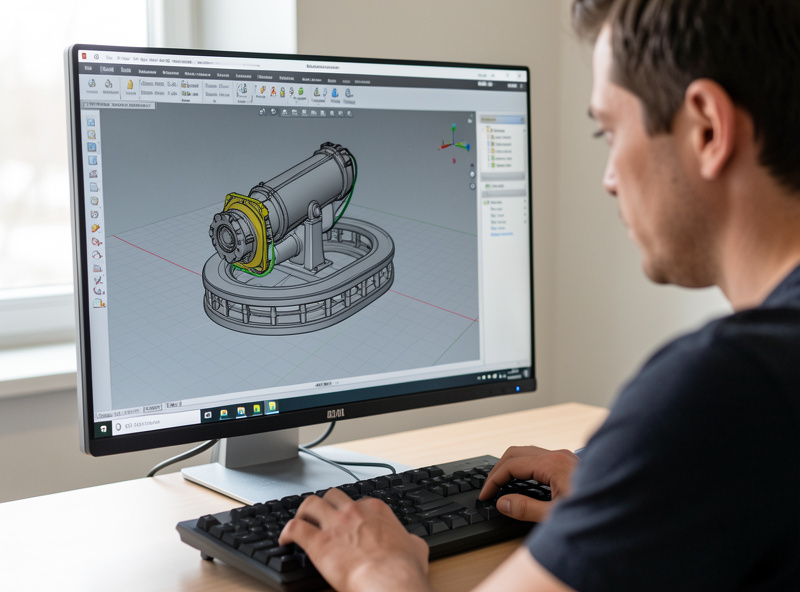
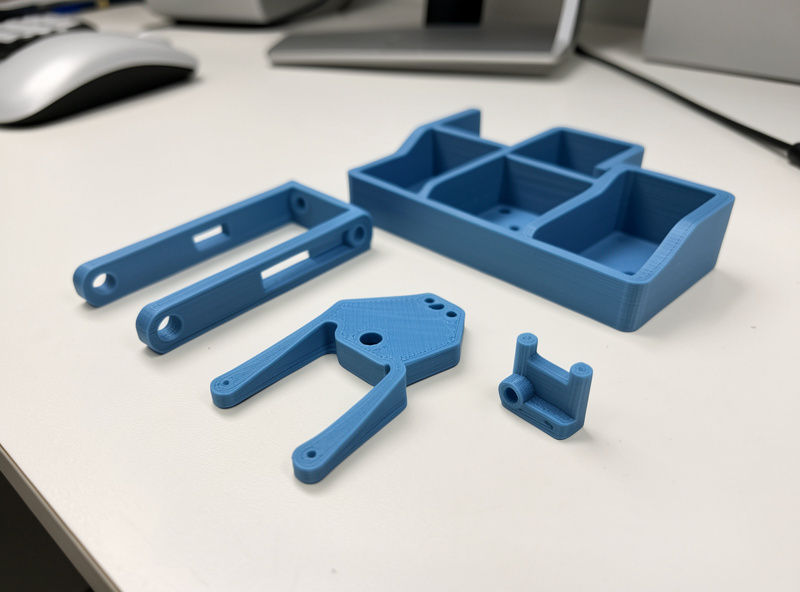
The only way to fully control your licensing risk is to sell what you designed. An original model you created from scratch is yours to sell, with no NC clause and no designer’s conditions to track — provided it does not depict a trademarked brand or character. This is why I steer sellers toward original functional and custom work: a bracket, organiser or fixture you modelled yourself is clean from a legal standpoint and impossible for a competitor to copy exactly. The design skill pays for itself twice, in margin and in safety.
You do not need to be a CAD expert to start. Parametric design tools handle most functional parts, and even simple original shapes — custom organisers, name plates, fit-to-measure mounts — are fully yours to sell. The same design discipline that makes a part useful makes it legally clean, which is one more reason the functional approach outperforms reselling someone else’s downloads. When in doubt, design it rather than download it.
Common Mistakes That Get Shops Shut Down
The fastest ways to lose a shop are all avoidable. Selling prints of NC-licensed models is the most common — sellers assume “free to download” means “free to sell,” which it does not. Selling fan art of branded characters is the second, and platforms act on rights-holder complaints quickly. Assuming a model on a marketplace is automatically commercial-safe is the third; the platform hosting a file does not grant you the right to sell prints of it. And ignoring attribution requirements on otherwise sellable CC-BY models is a smaller but real breach.
Protect yourself with a simple habit: before listing anything, confirm you either designed it, hold a commercial licence for it, or it is genuinely public domain — and that it contains no trademarked brand or character. Document the licence for every model you did not create. That five-minute check is the cheapest insurance in the whole business, and it is the difference between a shop that lasts and one that vanishes overnight. Again, this is practitioner guidance, not legal advice — when real money or a specific dispute is involved, consult an IP lawyer.
Frequently Asked Questions
Can I sell 3D prints of models I downloaded?
Only if the model’s licence permits commercial use. Many popular files are non-commercial and forbid selling prints. You need a file under a commercial-friendly licence such as CC-BY or CC0, a paid commercial licence from the designer, or a model you designed yourself.
What do CC-BY, NC and SA mean for selling?
CC-BY lets you sell if you credit the designer. Any licence with NC (non-commercial) forbids selling. SA (share-alike) lets you sell but requires releasing your derivatives under the same licence. CC0 is public domain with no restrictions. Always read the model’s exact terms.
Is it legal to sell 3D-printed fan art?
Usually no. Branded characters, logos and franchises are protected by trademark and copyright, so selling prints of them infringes even if you modelled the file yourself. Rights holders act on complaints quickly, and platforms remove listings and suspend shops.
Do I need a commercial licence for every model I sell?
You need permission for any model you did not design. That means a commercial or merchant licence from the designer, or a file released under commercial-friendly terms. Models you create yourself need no licence, provided they do not depict a trademarked brand or character.
Is designing my own models the safest option?
Yes. An original model you created is yours to sell with no non-commercial clause or designer conditions to track, as long as it does not depict a trademarked brand. Original functional and custom designs are both the safest legally and the hardest for competitors to copy.
Does buying a model file give me the right to sell prints?
Not automatically. Paying for or downloading a file grants the rights stated in its licence, which may be personal-use only. Selling prints requires terms that explicitly allow commercial use, so read the licence rather than assuming a purchase includes resale rights.
Related Guides
- Selling 3D Prints: The Business Guide — where licensing fits in the business.
- Best Things to 3D Print and Sell — products that sidestep licensing risk.
- Functional 3D Printing Guide — designing original, sellable parts.
- How to Price 3D Prints — building licence costs into your prices.
- Where to Download 3D Models — sources with clear commercial terms.
- Etsy SEO for 3D Print Sellers — listing your legal products to be found.